Confiscation of illegally mined cryptocurrencies could be a more effective way to combat illegal digital asset mining than existing bans, according to Anton Gorelkin, deputy head of the State Duma Committee on Information Policy, Information Technology, and Communications. He stated that the discovery of the largest illegal digital asset miners in the Irkutsk Region demonstrates the need to urgently introduce penalties for illegal digital asset mining.
"Gray" digital asset mining facilities with thousands of devices
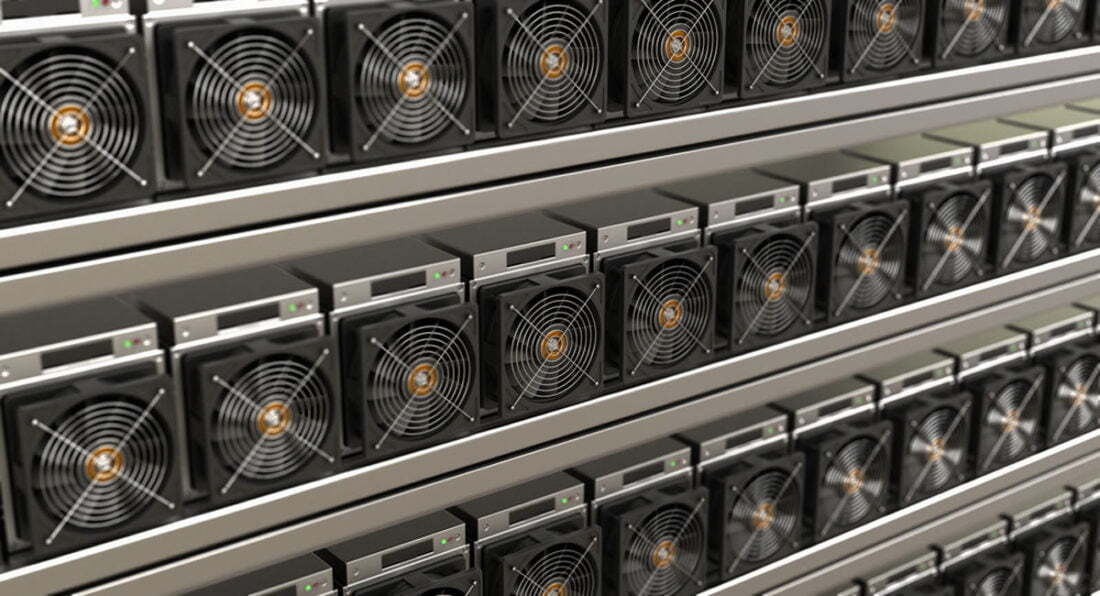
In early June, the Investigative Committee uncovered two of the largest "gray" digital asset mining facilities in the Irkutsk region. They were operating a combined total of over 4,700 cryptocurrency mining devices.
At a facility in Irkutsk, 2,606 miners were disconnected from the grid, and the containers and transformer substations were sealed. In Angarsk, 2,146 devices were also initially disconnected and sealed, but a few days later they were found to be working again. Law enforcement subsequently seized the equipment.
Experts estimate that the total value of the seized equipment could exceed $6 million, and monthly electricity costs for such facilities could reach several million rubles.
The Angarsk facility was reportedly connected to the grid of the energy company Radian. Gorelkin believes that the investigation will have questions not only for the organizers of the illegal digital asset mining operation but also for the management of the energy company whose grids fed the facility. He also noted that front men may be involved in the scheme, with the real owners of the farms attempting to conceal their involvement.
"However, I wouldn't be surprised if it turns out the lease agreement was drawn up in the name of some shell companies, and the real beneficiaries have already withdrawn their income and consider themselves completely safe," the deputy added.
Confiscation of cryptocurrencies
Gorelkin noted that this story demonstrates the need for special accountability measures so that law enforcement can not only accuse "black" digital asset miners of fraud but also confiscate illegally mined cryptocurrency.
A draft law from the Ministry of Digital Development, Communications, and Mass Media is currently undergoing interdepartmental approval. It stipulates fines of up to 2 million rubles for illegal digital asset mining. The document also stipulates that illegally mined cryptocurrency will be confiscated. According to Gorelkin, the bill has not yet been submitted to the State Duma, but it needs to be reviewed as soon as possible.
Gorelkin noted that illegal cryptocurrency facilities are the main burden on the power grid, and the current digital asset mining ban is of little help in combating them. These restrictions primarily impact "legal" digital asset miners, Gorelkin believes.
A complete ban on digital asset mining is in effect in 11 regions of Russia, including the North Caucasus republics, the Donetsk People's Republic, the Luhansk People's Republic, the Zaporizhzhia and Kherson regions, and the southern Irkutsk region. Seasonal restrictions have been introduced in Zabaikalsk and Buryatia.
For digital asset mining bans to be effective, they must be supported by clear legal enforcement mechanisms, according to Oleg Ogienko, an independent expert on blockchain, energy, and digital assets. He believes these should include direct legislative measures, at a minimum, involving administrative enforcement, such as proportionate fines and confiscation of equipment and produced cryptocurrency.
Help from energy companies
Ogienko believes the upcoming legislative amendments are crucial for the rapid "cleaning up" of the digital asset mining market. However, he noted that without the cooperation and active participation of energy companies, it will be impossible to curb unscrupulous mining.
"Even bans on digital asset mining won't be necessary if businesses and organizations in the electric power industry demonstrate conscientiousness and fulfill the state's mandate," Ogienko believes.
In early June, Irkutsk Region Governor Igor Kobzev signed an order establishing procedures for energy companies to detect illegal digital asset mining activity among the population. The proposed algorithm for detecting digital asset mining activity is based on an analysis of daily and seasonal fluctuations, the identification of non-standard wiring and ventilation solutions, and neighbor complaints.
Energy companies in the Angara region will now be required to compile monthly lists of abnormal objects and submit them to the tax service and law enforcement agencies.
The help of energy companies in identifying illegal digital asset miners is invaluable. Earlier in Dagestan, employees of a grid company conducted an experiment in which providers and mobile operators briefly shut down the internet, while energy workers measured changes in grid load. Digital asset mining devices only operate with a constant internet connection, and if the internet is disconnected, the miners' computing processes immediately cease.
The experiment was deemed a success. According to Dagenergo representatives, at the time of the outage, the power in the "test" communities with 849 homes dropped by an amount equal to the power consumed by 1,500 homes. Experts estimate that the freed-up 3.2 MW could have previously been used by approximately 900 digital asset mining devices.
"Gray" digital asset mining facilities with thousands of devices
In early June, the Investigative Committee uncovered two of the largest "gray" digital asset mining facilities in the Irkutsk region. They were operating a combined total of over 4,700 cryptocurrency mining devices.
At a facility in Irkutsk, 2,606 miners were disconnected from the grid, and the containers and transformer substations were sealed. In Angarsk, 2,146 devices were also initially disconnected and sealed, but a few days later they were found to be working again. Law enforcement subsequently seized the equipment.
Experts estimate that the total value of the seized equipment could exceed $6 million, and monthly electricity costs for such facilities could reach several million rubles.
The Angarsk facility was reportedly connected to the grid of the energy company Radian. Gorelkin believes that the investigation will have questions not only for the organizers of the illegal digital asset mining operation but also for the management of the energy company whose grids fed the facility. He also noted that front men may be involved in the scheme, with the real owners of the farms attempting to conceal their involvement.
"However, I wouldn't be surprised if it turns out the lease agreement was drawn up in the name of some shell companies, and the real beneficiaries have already withdrawn their income and consider themselves completely safe," the deputy added.
Confiscation of cryptocurrencies
Gorelkin noted that this story demonstrates the need for special accountability measures so that law enforcement can not only accuse "black" digital asset miners of fraud but also confiscate illegally mined cryptocurrency.
A draft law from the Ministry of Digital Development, Communications, and Mass Media is currently undergoing interdepartmental approval. It stipulates fines of up to 2 million rubles for illegal digital asset mining. The document also stipulates that illegally mined cryptocurrency will be confiscated. According to Gorelkin, the bill has not yet been submitted to the State Duma, but it needs to be reviewed as soon as possible.
Gorelkin noted that illegal cryptocurrency facilities are the main burden on the power grid, and the current digital asset mining ban is of little help in combating them. These restrictions primarily impact "legal" digital asset miners, Gorelkin believes.
A complete ban on digital asset mining is in effect in 11 regions of Russia, including the North Caucasus republics, the Donetsk People's Republic, the Luhansk People's Republic, the Zaporizhzhia and Kherson regions, and the southern Irkutsk region. Seasonal restrictions have been introduced in Zabaikalsk and Buryatia.
For digital asset mining bans to be effective, they must be supported by clear legal enforcement mechanisms, according to Oleg Ogienko, an independent expert on blockchain, energy, and digital assets. He believes these should include direct legislative measures, at a minimum, involving administrative enforcement, such as proportionate fines and confiscation of equipment and produced cryptocurrency.
Help from energy companies
Ogienko believes the upcoming legislative amendments are crucial for the rapid "cleaning up" of the digital asset mining market. However, he noted that without the cooperation and active participation of energy companies, it will be impossible to curb unscrupulous mining.
"Even bans on digital asset mining won't be necessary if businesses and organizations in the electric power industry demonstrate conscientiousness and fulfill the state's mandate," Ogienko believes.
In early June, Irkutsk Region Governor Igor Kobzev signed an order establishing procedures for energy companies to detect illegal digital asset mining activity among the population. The proposed algorithm for detecting digital asset mining activity is based on an analysis of daily and seasonal fluctuations, the identification of non-standard wiring and ventilation solutions, and neighbor complaints.
Energy companies in the Angara region will now be required to compile monthly lists of abnormal objects and submit them to the tax service and law enforcement agencies.
The help of energy companies in identifying illegal digital asset miners is invaluable. Earlier in Dagestan, employees of a grid company conducted an experiment in which providers and mobile operators briefly shut down the internet, while energy workers measured changes in grid load. Digital asset mining devices only operate with a constant internet connection, and if the internet is disconnected, the miners' computing processes immediately cease.
The experiment was deemed a success. According to Dagenergo representatives, at the time of the outage, the power in the "test" communities with 849 homes dropped by an amount equal to the power consumed by 1,500 homes. Experts estimate that the freed-up 3.2 MW could have previously been used by approximately 900 digital asset mining devices.
Link for the original article: RBC